Articles

Good for us and good for them
We all know the look your dog gives you when you are trying to enjoy a snack. Most dog owners find it difficult to resist those sad eyes, but if you are going to give him a treat, we recommend you give him something both safe and healthy for him.
Read more...
Career Dogs
Although nowadays we know dogs mostly as companions, since dogs have been domesticated, people have been putting their instincts to work in jobs such as hunting, hauling, herding, guarding and tracking.
Read more...
Canine Parvovirus
Canine Parvovirus is a highly contagious disease for dogs which is characterized by vomiting, bloody diarrhea and high mortality rate. The virus was first described in the early 1970 and due to the small size of the viral particles it was named,,Minute virus of canine”.
Read more...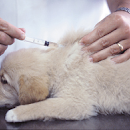
Canine Distemper
Canine distemper also known as Carre’s disease or CDV is a highly contagious disease that usually is fatal and affects domestic dogs but can also infect some wild life animals like the wolf, ferret, raccoon and skunk.
Read more...
Babesiosis
Babesiosis is a parasitic disease caused by infection with Babesia, a genus of protozoan pyroplasma, transmitted by ticks.
Read more...
Ear mites in dogs
Ear mites are little parasites that can be found in the ear canals of your pet but also on different parts of its body like the face and head where they produce itchiness and skin irritation. This parasites, survive by feeding on the epidermal debris and on the ear wax of the host.
Read more...
Understanding your dog’s behavior
There are many things that our dogs do that we think are silly and goofy, but in reality most of those things have another meaning. I will try to help you understand some of your dog’s behavioral habits:
Read more...
Signs that your dog might have worms
Parasitic worms are very common for dogs especially for does who live outdoors and have a lot of contact with other canine companions or other animals.
Read more...
What is Demodicosis and how can we treat it?
Demodicosis is a non-contagious parasitic skin disease that is often infectious, caused by the presence and multiplication of tiny eight-legged mites called Domedex. This cigar shaped mites live in or near hair follicles and feed on cells, sebum and epidermal debris.
Read more...
Top 10 dangerous foods for your dog
We all like to spoil our little friends from time to time by giving them some of our food or beverages that we might consider delicious or healthy, but you must always remember that not everything that its good for us is also good for them.
Read more...